Competing Priorities in an Interview: Explain the Choice and Commitment
Prepare an episode showing urgency, impact and a revised commitment. Use an original fictional case and matrix to explain the decision and its consequence.
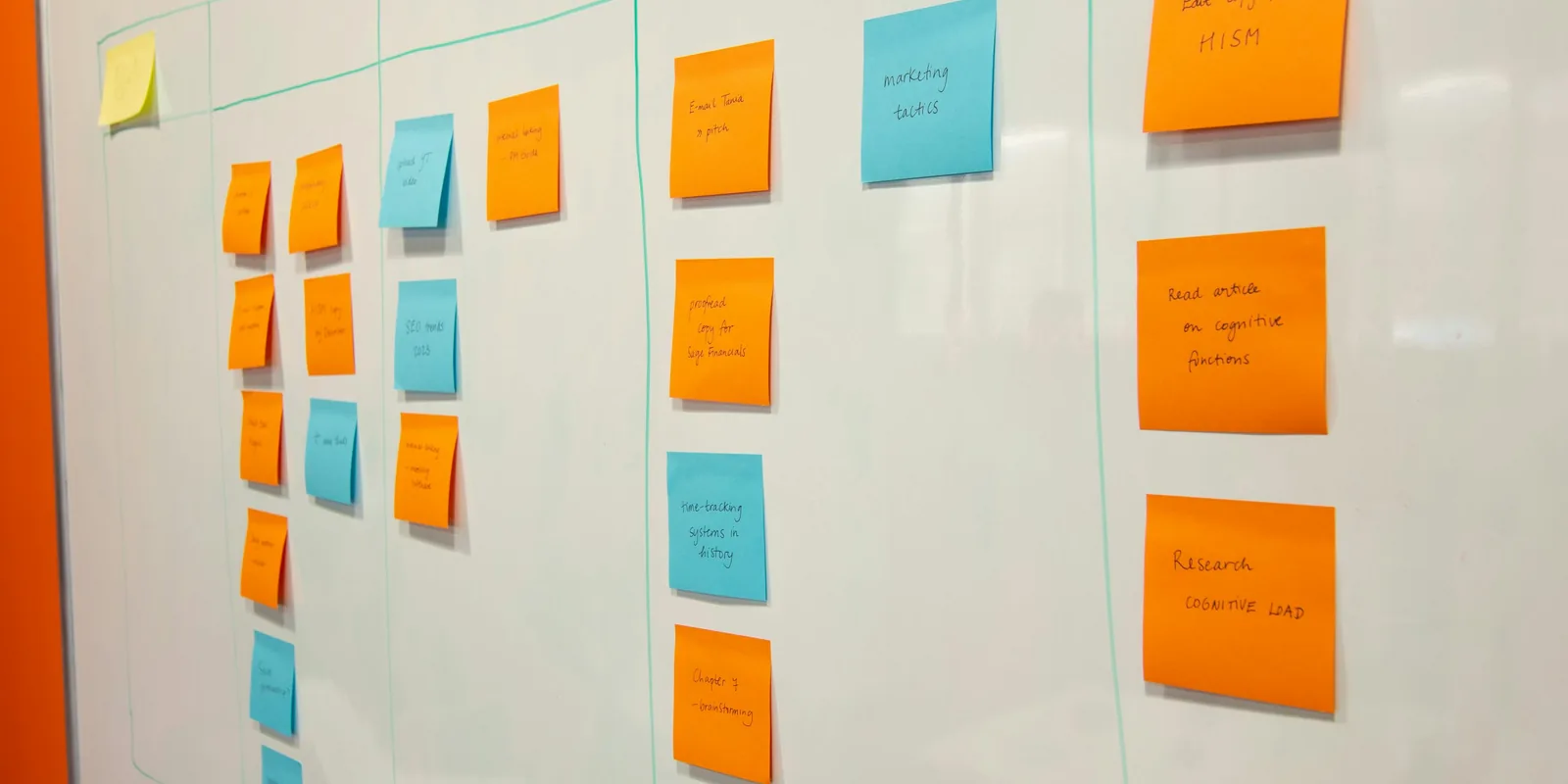
To explain competing priorities in an interview, choose a real episode and show which demands conflicted, why one needed attention first and how you handled the affected commitment. Include who authorized the change and what happened afterwards, even when something was delayed or reduced in scope.
“I use a calendar” names a tool. A question about priorities calls for an explanation of a choice. You can use the STAR method to organize the answer after checking the facts. This exercise focuses on the decision and the revised commitment.
Choose an episode that involved a choice
Look for a time when doing one thing first changed the deadline, scope or availability for another. Having many tasks alone does not explain the conflict. Recall the moment you realized the commitments needed review.
Oxford's careers service includes questions about balancing priorities and deciding what to do first among its organization and planning examples. These are preparation questions from that UK university. Oxford's interview guidance
You can use work, coursework or volunteering, identifying the setting. Choose an episode whose decisions you can reconstruct. A career accomplishments inventory helps retrieve real actions and deliverables, including when the result was partial.
If asked “how do you prioritize?”, summarize your criteria and give a relevant example. If asked to describe a specific occasion, start with the episode. Do not add a crisis to make routine work sound more impressive.
Separate urgency, impact and commitment
Use this original editorial matrix for your preparation notes. It helps recover your reasoning at the time, using the information you actually had.
| Aspect | What to recover | Detail that clarifies the explanation |
|---|---|---|
| Urgency | When an action needed to happen | Confirmed time or event depending on it |
| Impact | What would be affected by waiting | Person, deliverable or operation affected, without assuming losses |
| Commitment | What you had already agreed | Deadline, scope and recipient of the earlier deliverable |
| Capacity | What fitted the time available | Remaining steps, checks and help actually available |
| Authority | Who could change the order or commitment | Your decision, recommendation or received approval |
| Revised agreement | How you handled the affected commitment | Person notified, alternative proposed and actual response |
In the UK Civil Service framework, EO-level examples include setting priorities according to customer needs and keeping people informed of plans and progress. These are that employer's criteria, interpreted for the role and grade. Civil Service behaviours
A request labeled urgent deserves clarification. Ask which milestone requires action and what depends on it. When recounting the episode, also explain why the earlier commitment still mattered.
Follow a decision with a visible consequence
Entirely fictional case created by FoxApply. It describes no photographed person, customer or product outcome. Clara prepares files at a print shop. She had agreed to send label proofs at 11:30 a.m. That morning, a correction arrives to the time shown on a poster, using wording already approved by its customer. Production needs the updated file before printing begins at 11 a.m.
Clara checks the remaining steps and determines that she cannot prepare both files with the necessary checks by 11:30. Her supervisor decides the production order. The label customer's contact needs to agree to a changed submission time.
One possible answer to “tell me about competing priorities” follows.
I was preparing label proofs for an agreed 11:30 submission when a poster correction arrived for an 11 a.m. print run. I confirmed that production was waiting for the updated file and checked the approved wording. I compared the remaining work and showed my supervisor that both commitments would not fit into the morning. I proposed finishing the poster first and moving the proofs to 2 p.m. My supervisor approved the order, and the label contact accepted the new submission time but said they could only review it the following morning. I recorded that consequence, updated the expected time and prepared the files in the agreed order. Production received the poster before printing started, and I sent the proofs at 2 p.m. The label review moved to the next day. Afterwards, I began checking when recipients would use a deliverable before proposing changes.
The answer preserves two different results. The poster file arrived before printing, while the label review changed days. Clara does not claim to have prevented a reprint that never happened or say she met every original deadline.
Prepare questions that examine your choice
“Why did you change the original order?” In this case, the print milestone was confirmed and production was waiting for a corrected file. Clara needs to explain that information and acknowledge the label commitment.
“Who decided?” She proposed an alternative, her supervisor set the order and the contact accepted another time. Simply saying “I decided everything” would erase the actual responsibilities.
“What would you have done without agreement?” This asks for a hypothetical response. Explain which alternatives you would explore, such as help or reduced scope, keeping the earlier deadline recorded until another decision is made. Do not add approval you never received to the actual episode.
“What could you have done better?” Clara could have asked earlier when the customer could review the proofs. If a poor priority decision caused your own mistake, the guide to describing a mistake in an interview helps explain responsibility and correction.
Rehearse using your own episode
Fill six lines in your notes with competing demands, confirmed milestones, known impact, choice and authorization, revised commitment, and result with its limit. Mark anything you cannot yet recall reliably.
Tell the story and ask someone to identify which deliverable changed and who agreed. If they only heard “I organized everything”, add the specific decision. Remove names, internal records and restricted figures. Private notes can hold the reference needed for your own check.
Then rehearse one hypothetical change: the recipient does not accept the new deadline. Explain what you would need to explore without changing the actual outcome. This prepares a follow-up question and stays separate from the experience you will describe.
When reviewing your application, explore FoxApply for support comparing your experience with the opening. Check that the wording preserves your involvement and actual deliverables. Sources consulted on November 9, 2026.